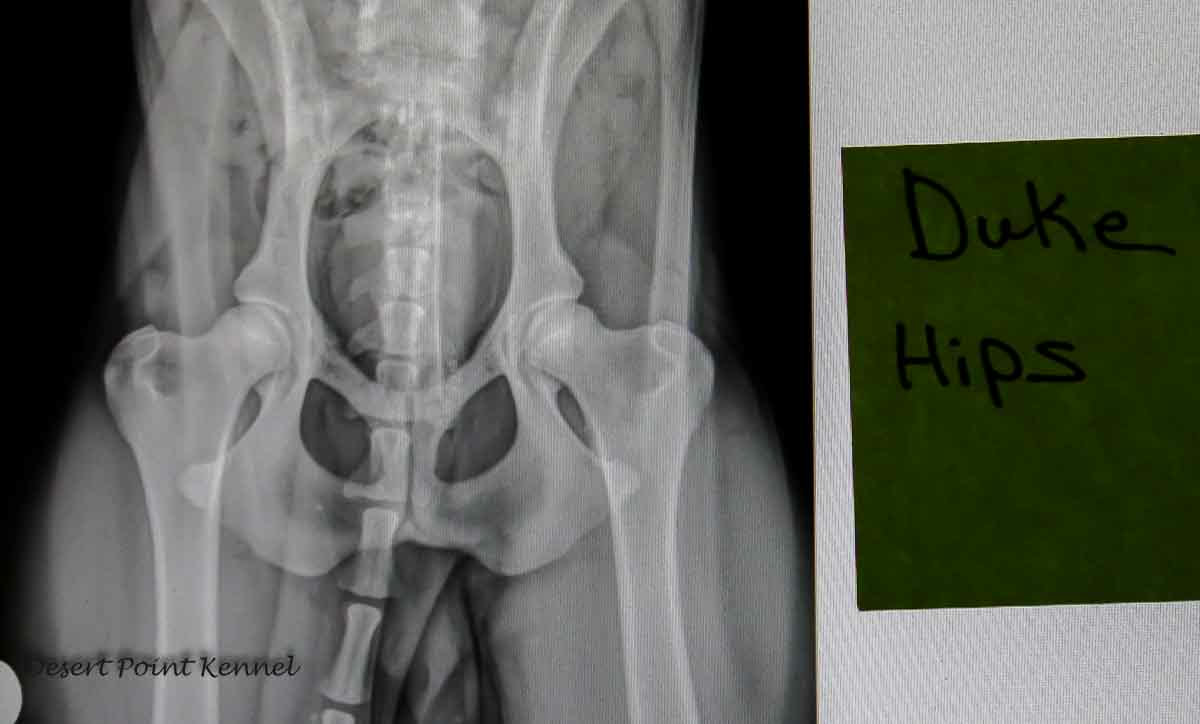
German Shorthaired Pointers according to OFA, are 98.2 percent Hip Dysplasia free. There is no gene like in most other tests to determine this as a genetic cause, it is just believed that it is by breeders. That being said, in a performance based breeding program of running dogs as the shorthair is the genetic problem if it was genetic would be eliminated because a dog that cannot run is not used. You simple do not hear of a shorthair with hip problems, and if you did it would be just as likely, or more likely that it was a development problem caused by what is written below, or weight. A show line of heavy dogs, or a single over weight shorthair maybe. An excepted belief is that a mating that does not produce pups with hip problems is about as good as it gets. The belief is that a mating with both sire and dam having excellent hips can produce pups with only a good to fair score, and a mating of a dam and sire having a score of good can produce pups with excellent hips. The ifs, and what ifs, and why and why nots of hip dysplasia are to many. The best test would be to xray all pups if you were going to x ray. In my opinion breeders x ray because it make them feel like better breeders, not that the x raying of hips produce better dogs free of dysplasia. I would rather feed a raw, or simi raw diet, keep the dogs in good shape and look for any problems that I feel is worth a look at. I had a stud dog dropped off, and when I ran him I did not like the way his elbows went out when he ran. I was assured that his elbows are good. I did not like the way they looked so I did not use him. I felt like if I had raised him from a pup I would have been better able to evaluate him. I would have fed and exercised him the same way I did all of ours. I did not know if the elbows were a cause of development or genetics, but I would never take the chance. Either the dog's run looks good or it don't. That said, even puppies as earley as 16 weeks can be xrayed and an evaluation given. So if you get a dog from us have it x rayed it you wish. Remember that each pup, and when the pup grows into a dog is guaranteed for anything. We don't fool around with our guarantee, it's the best period.
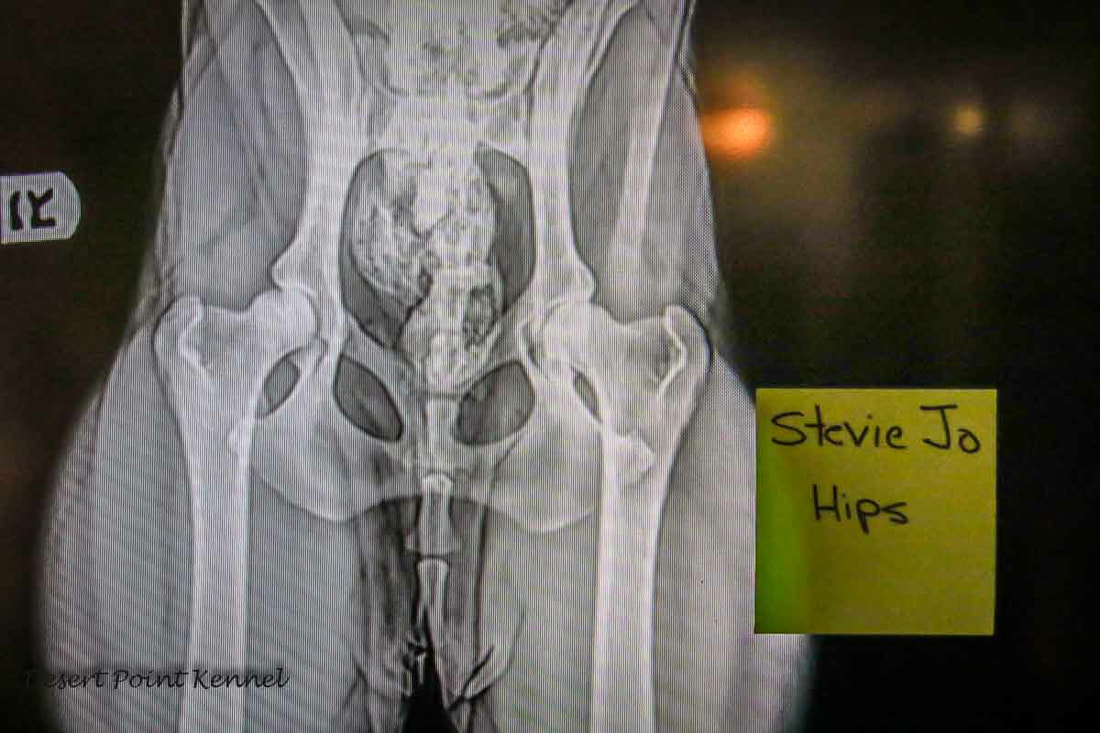
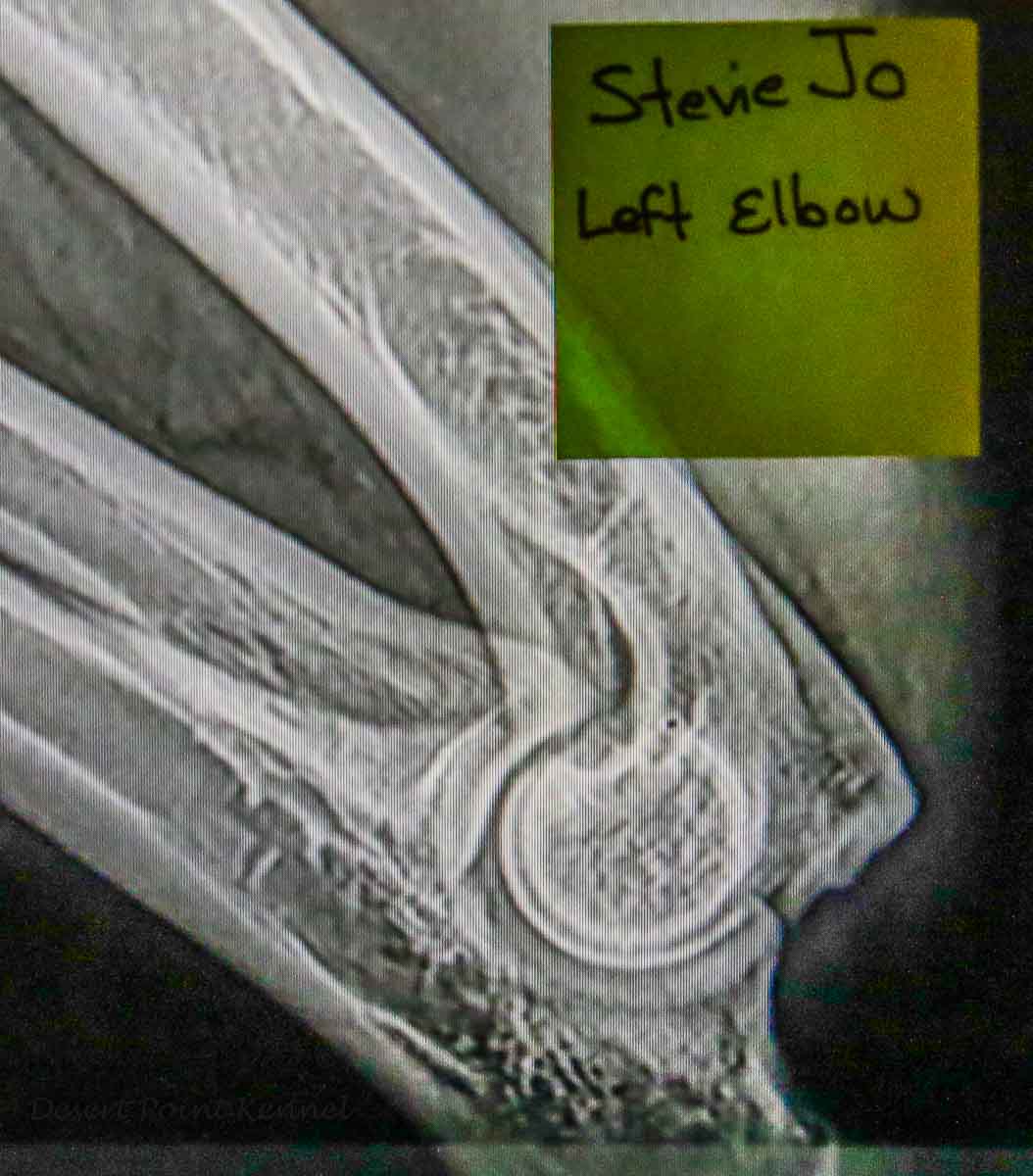
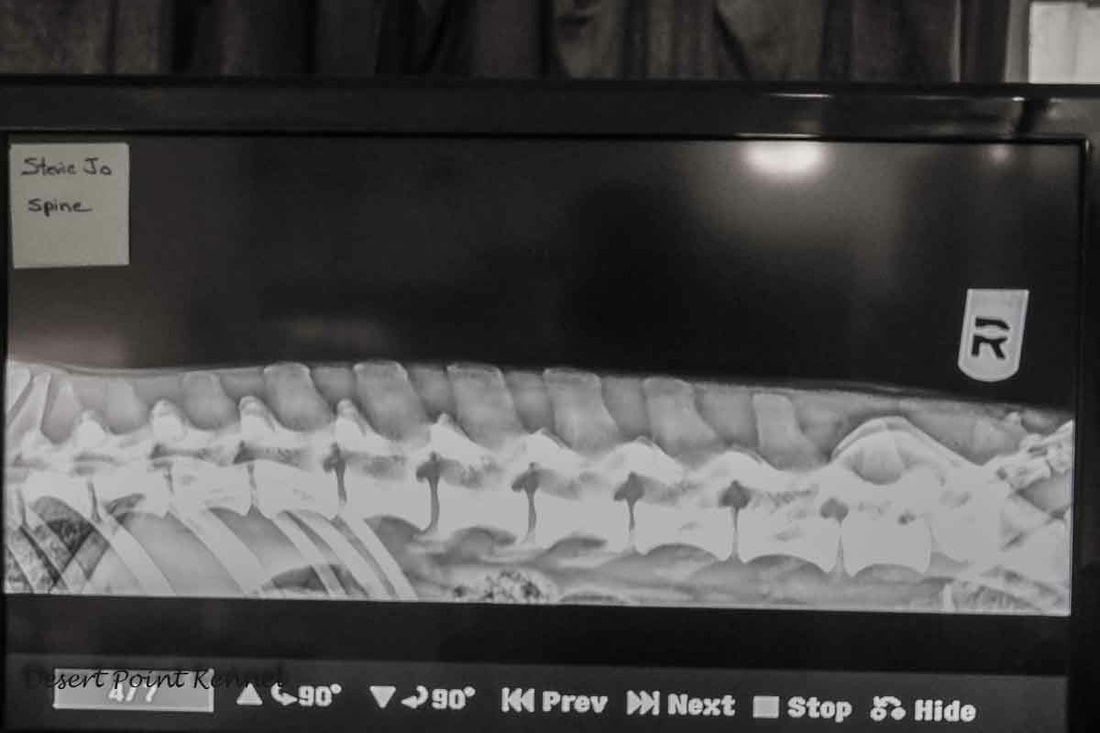
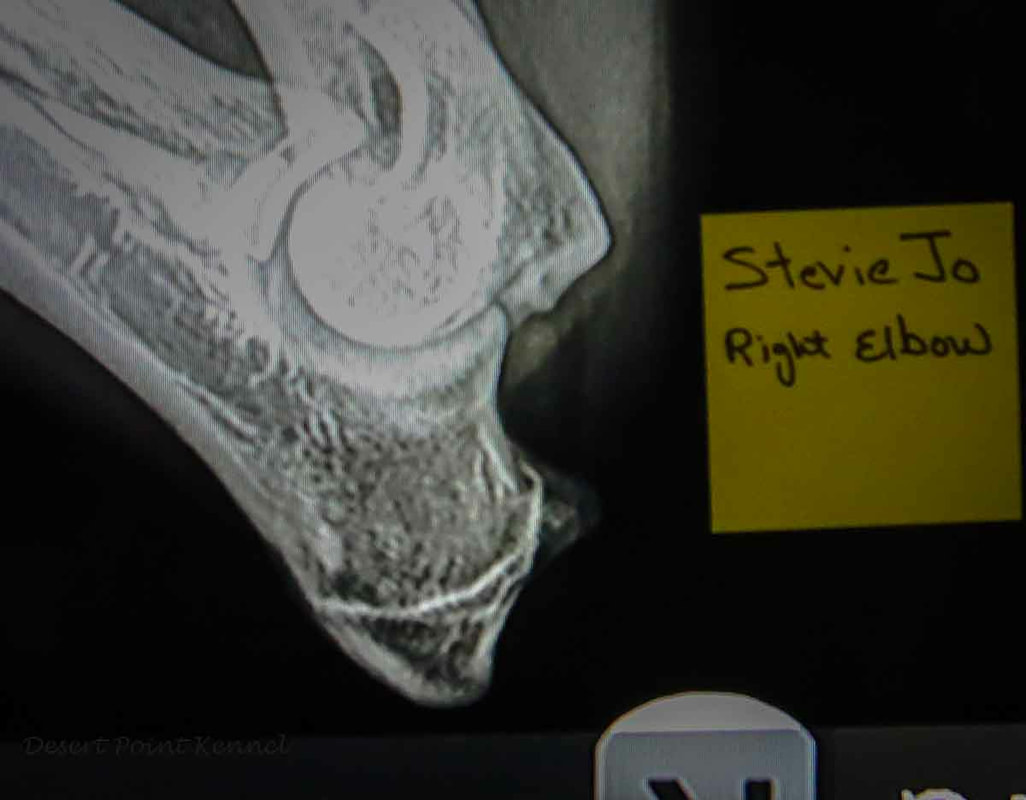
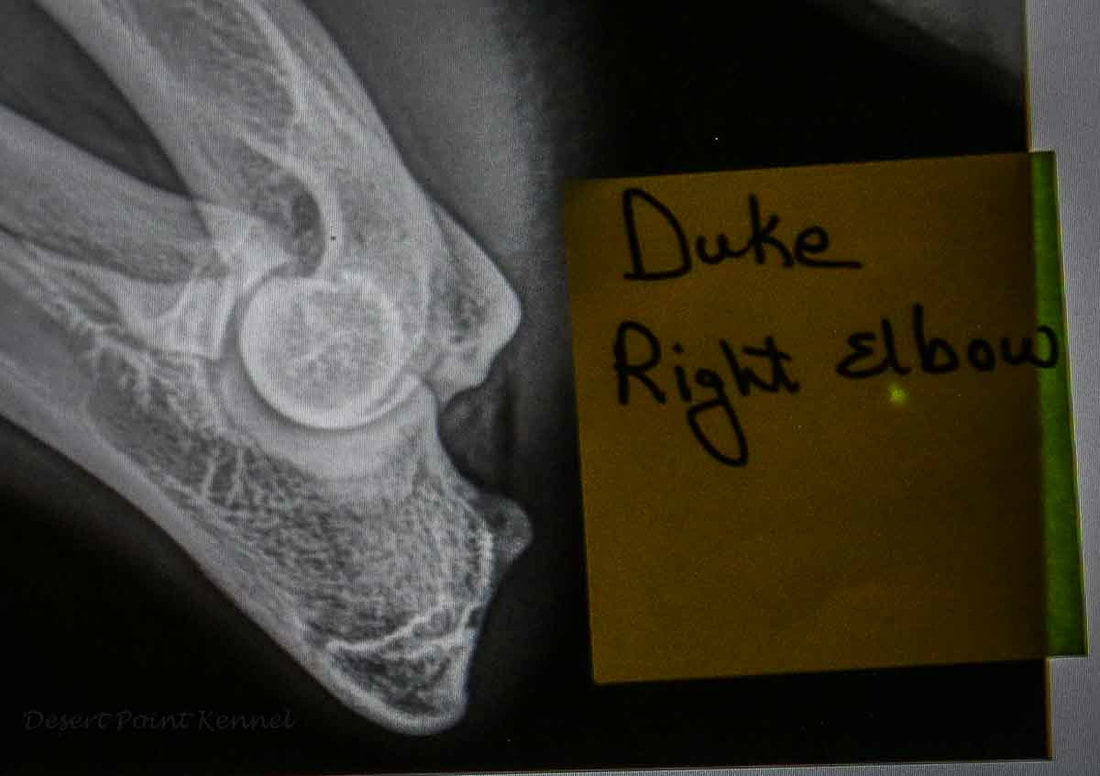
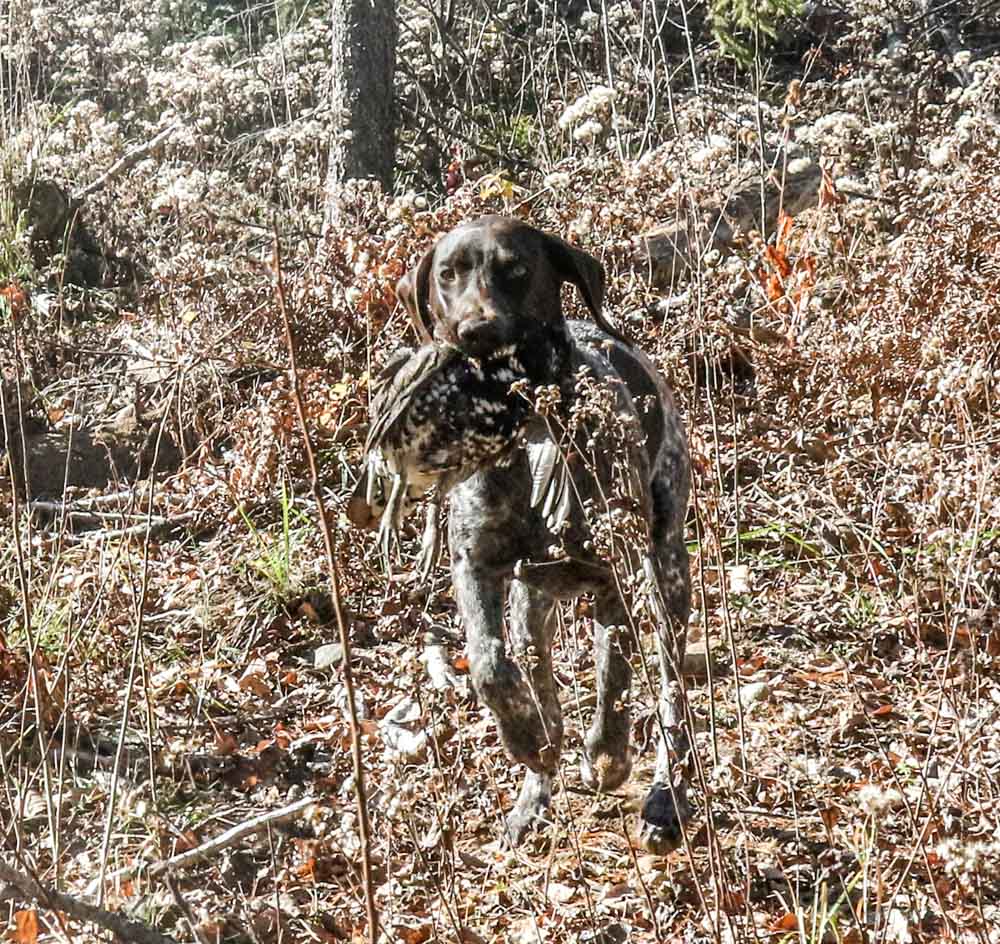
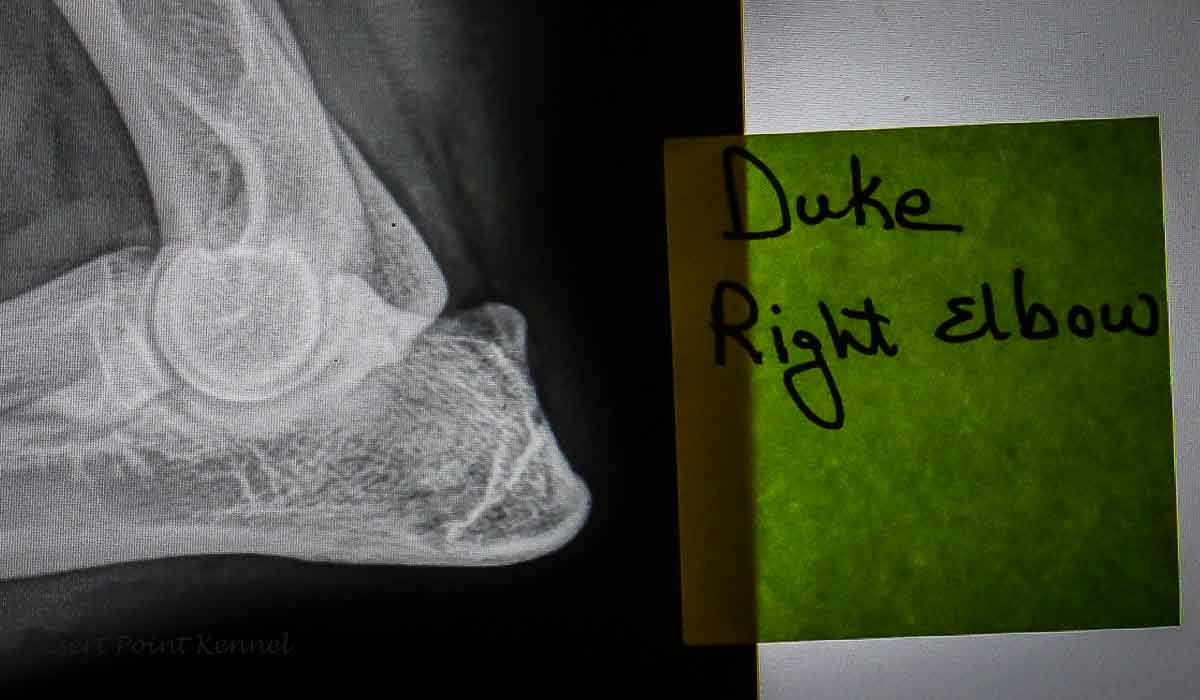
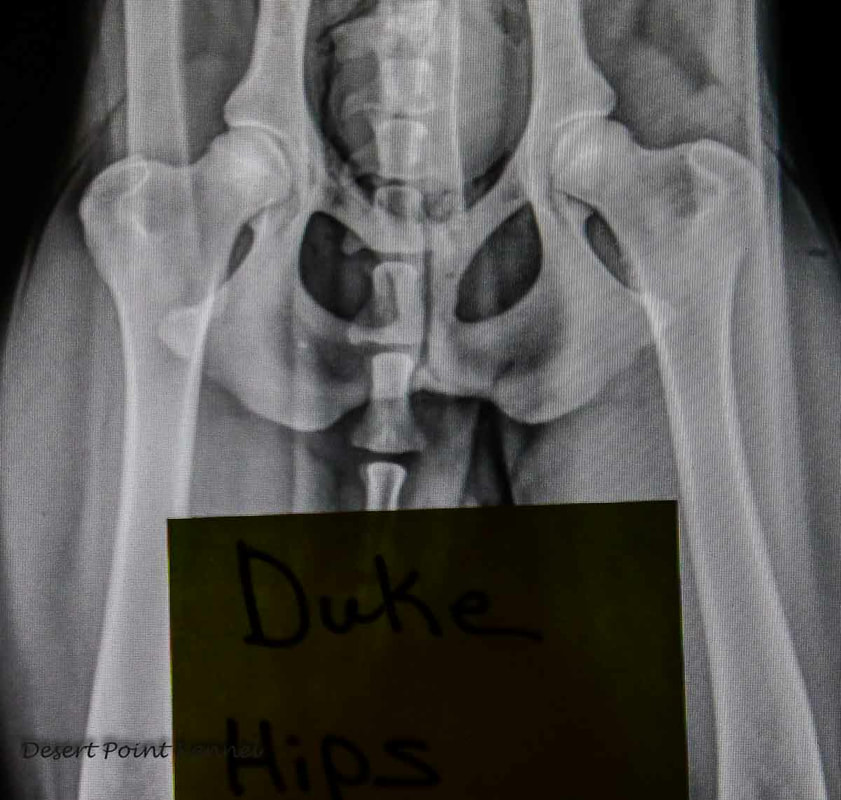
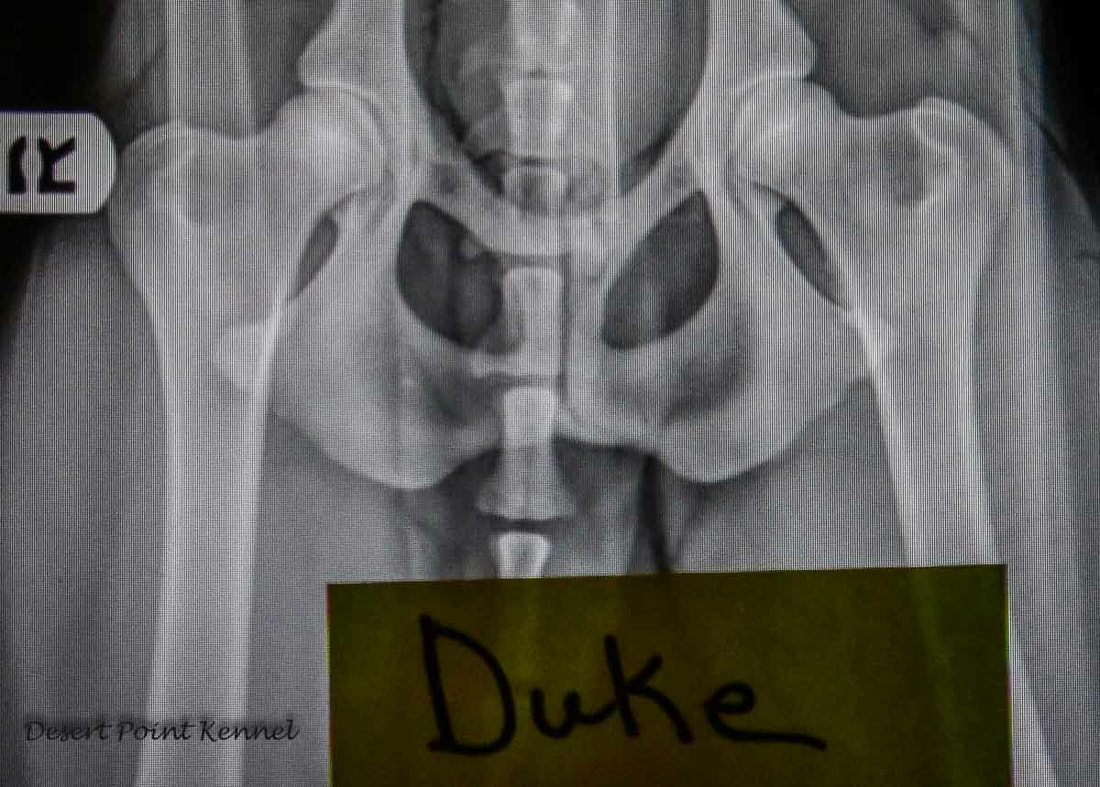
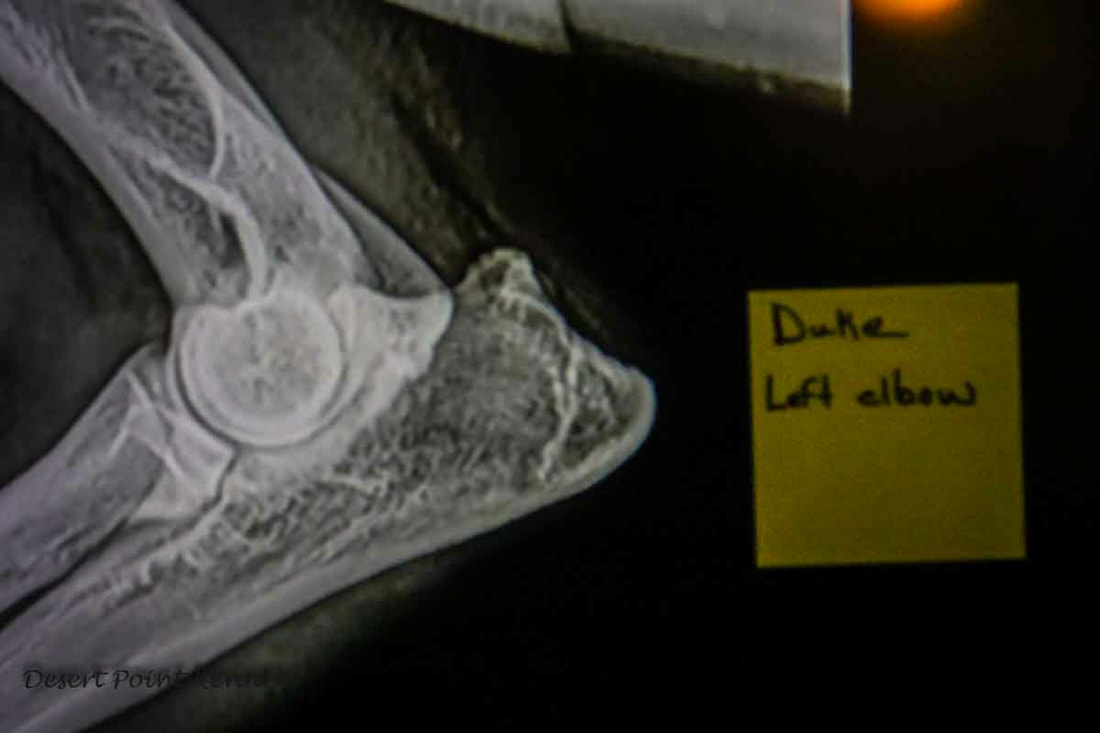
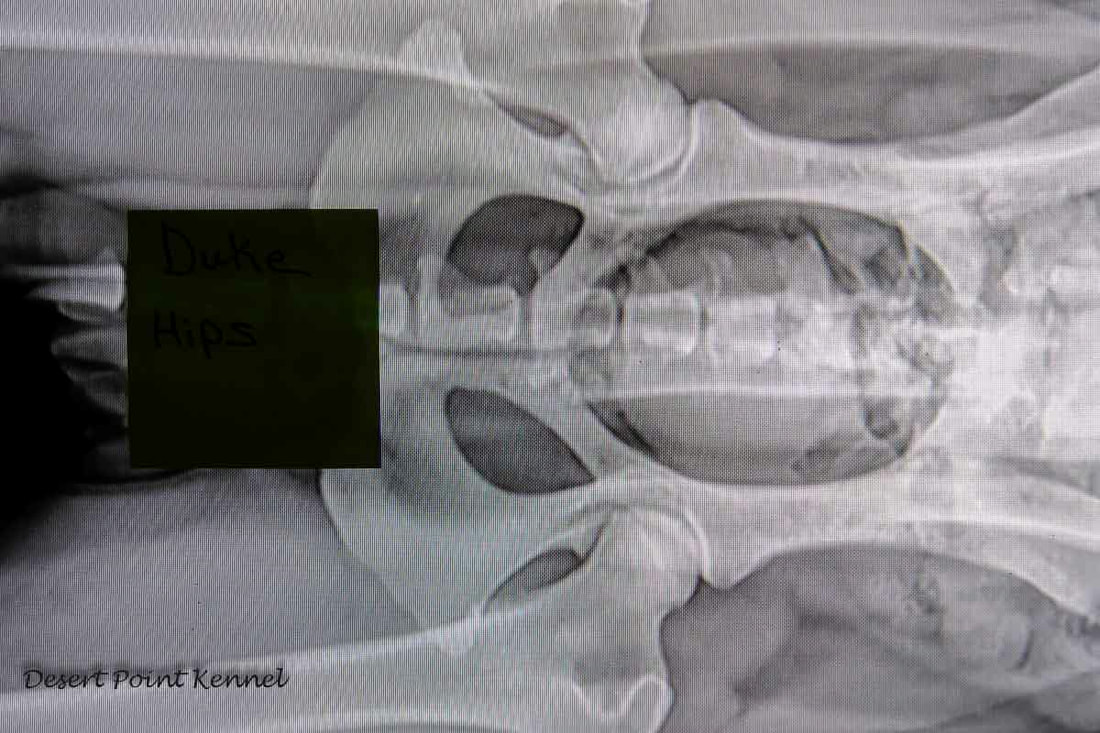
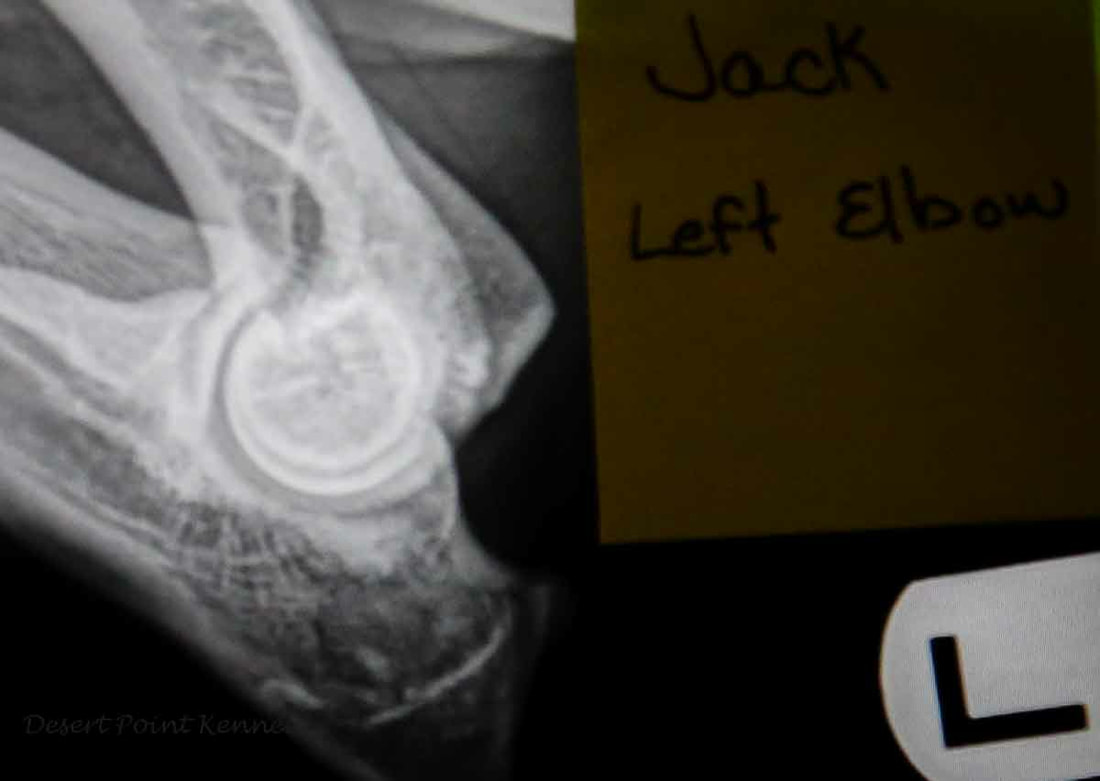
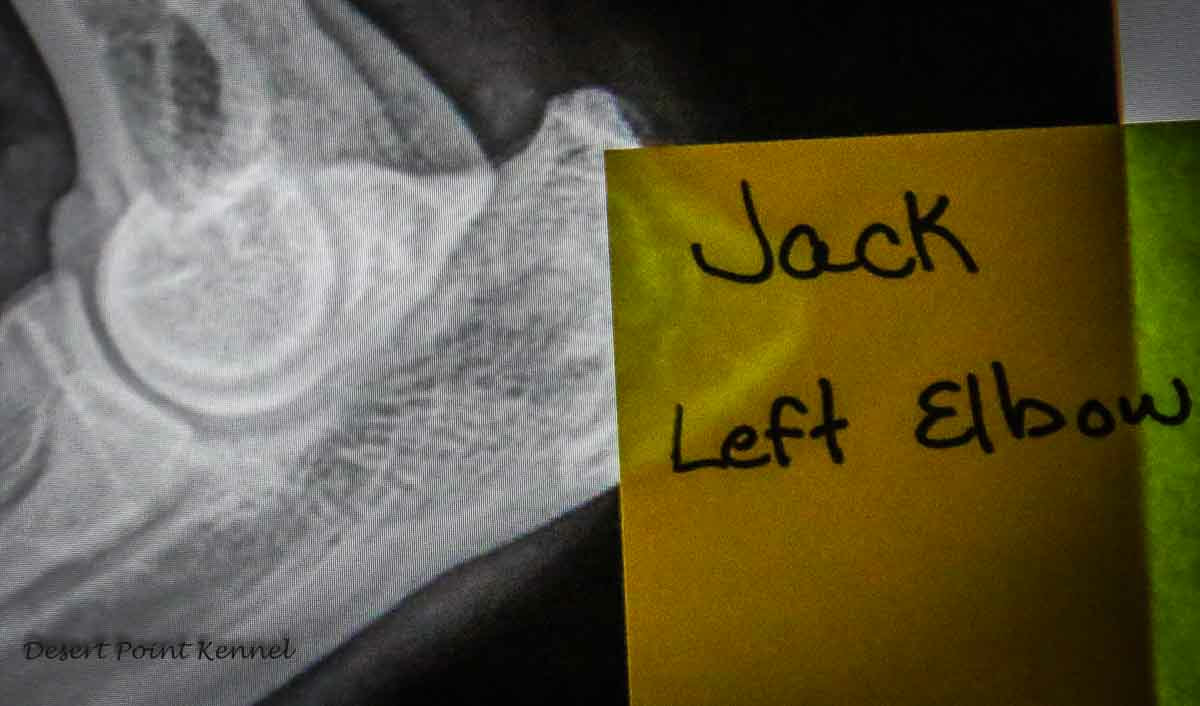
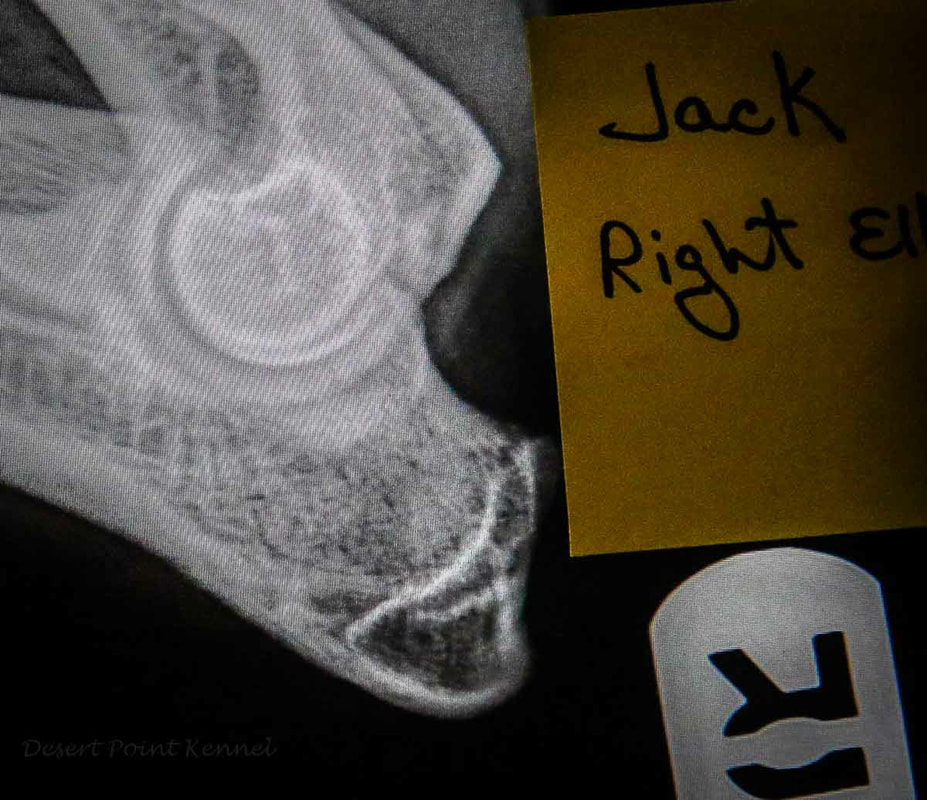
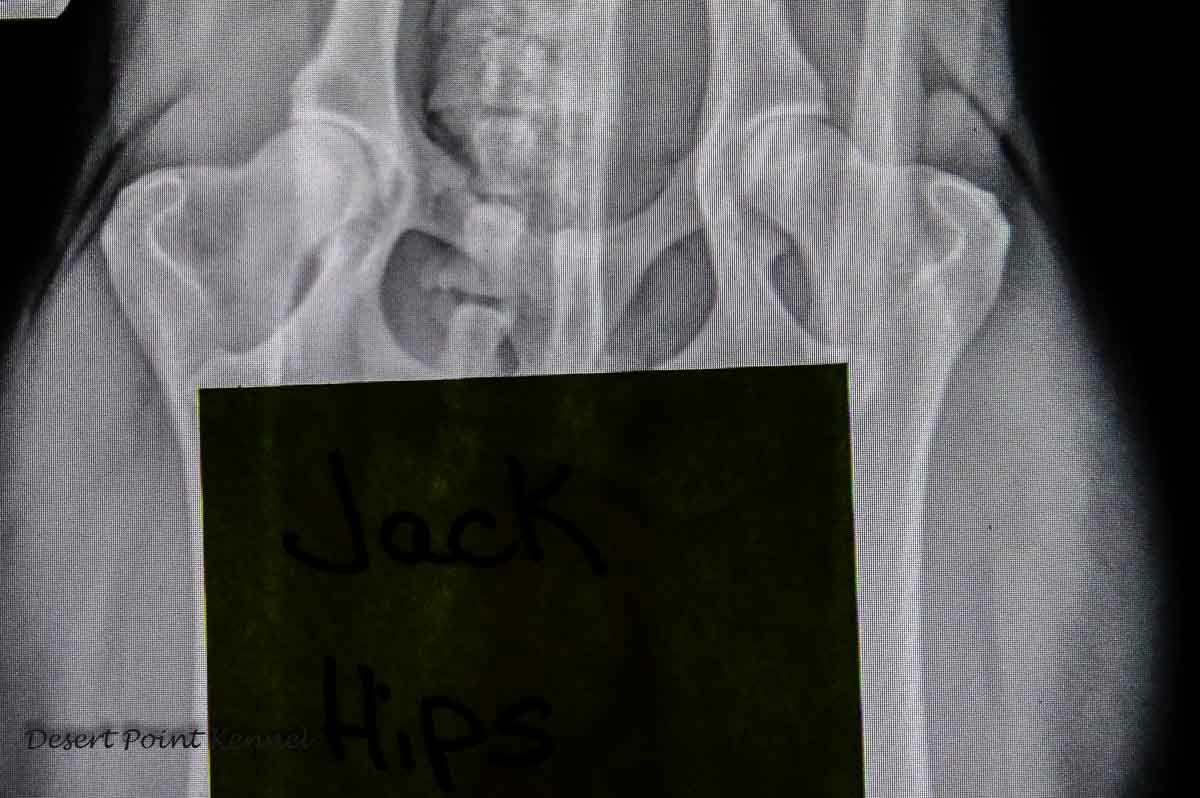
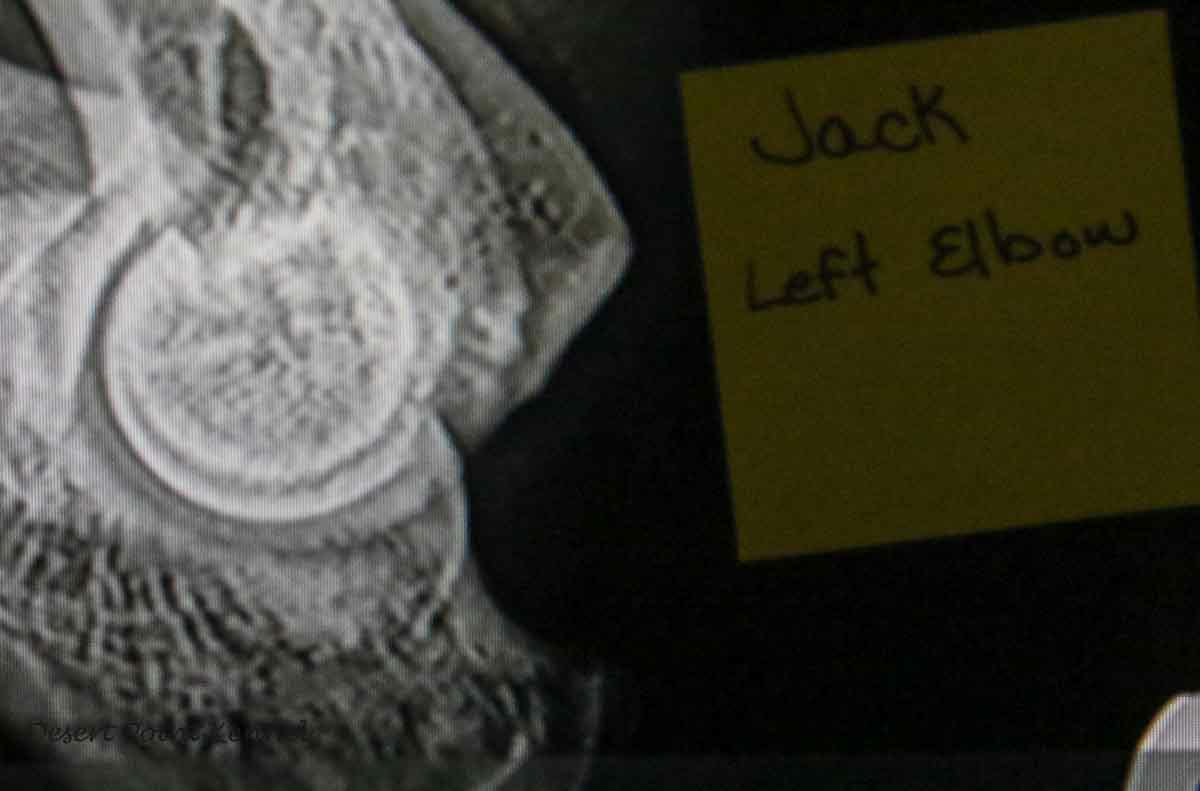
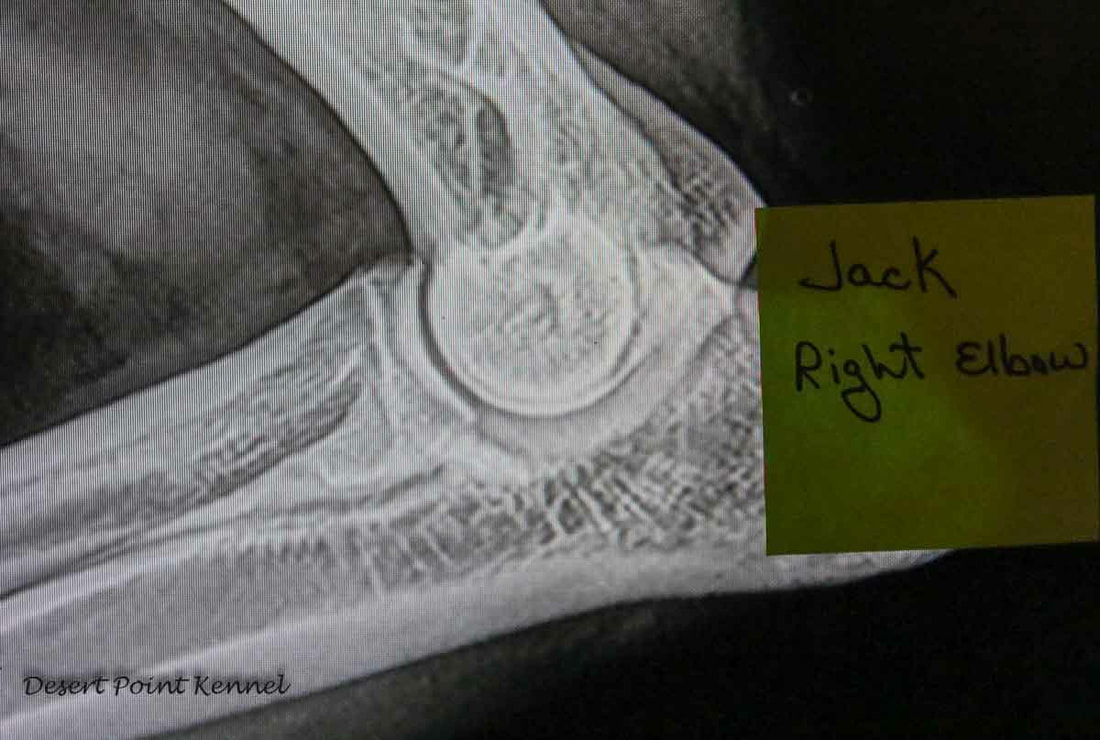
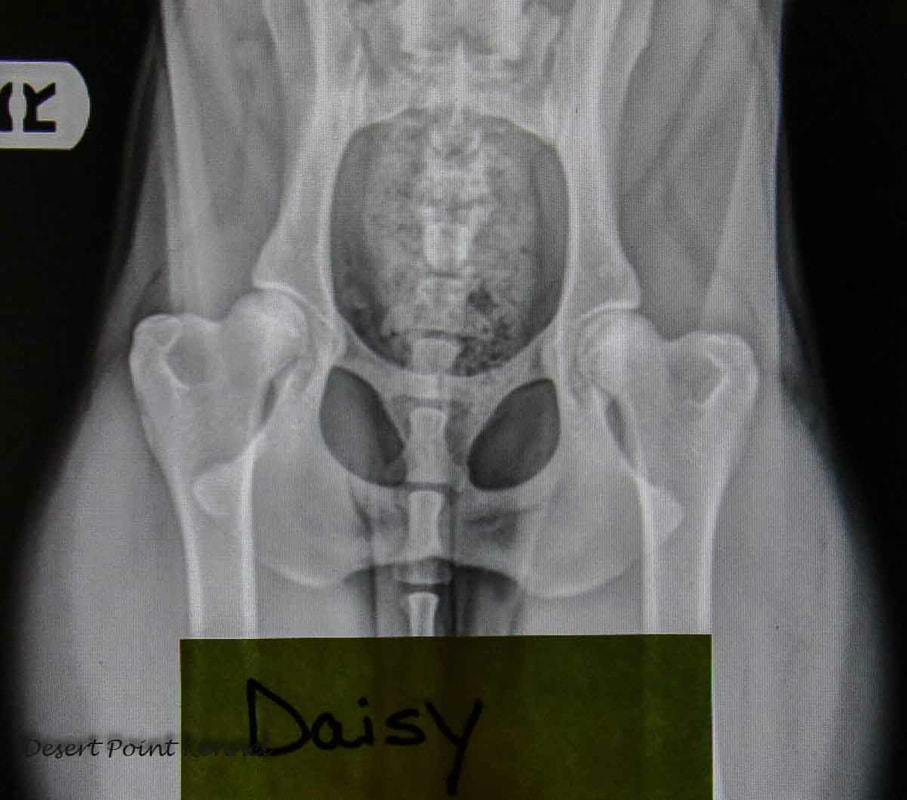
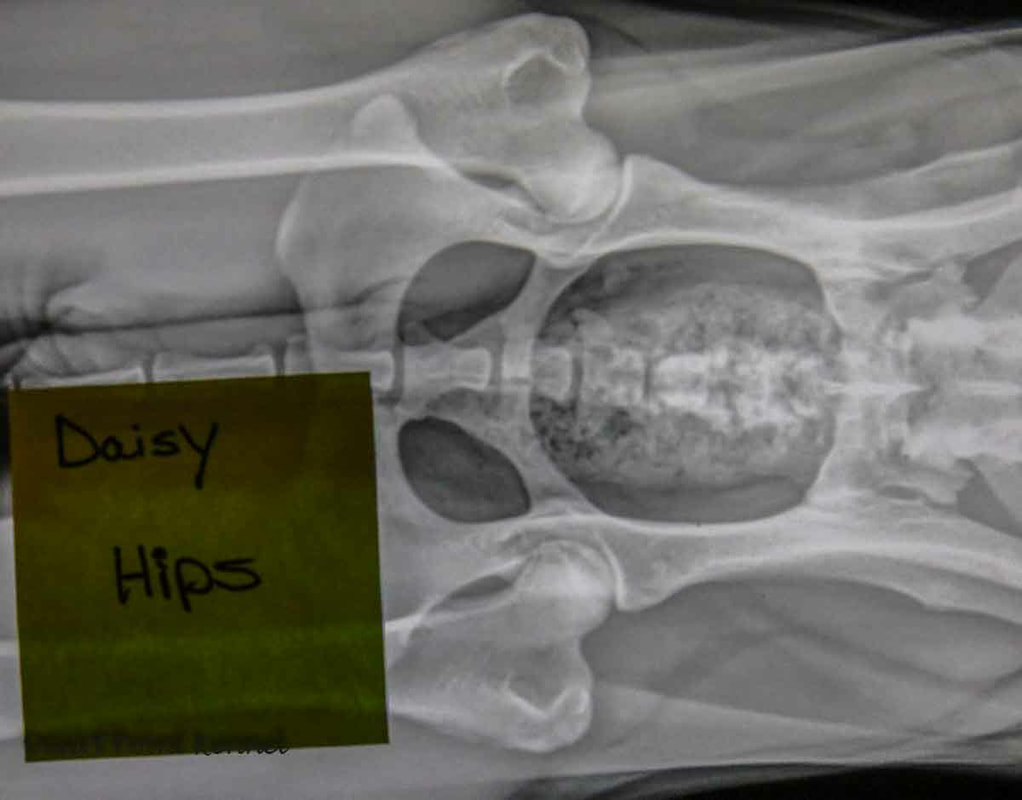
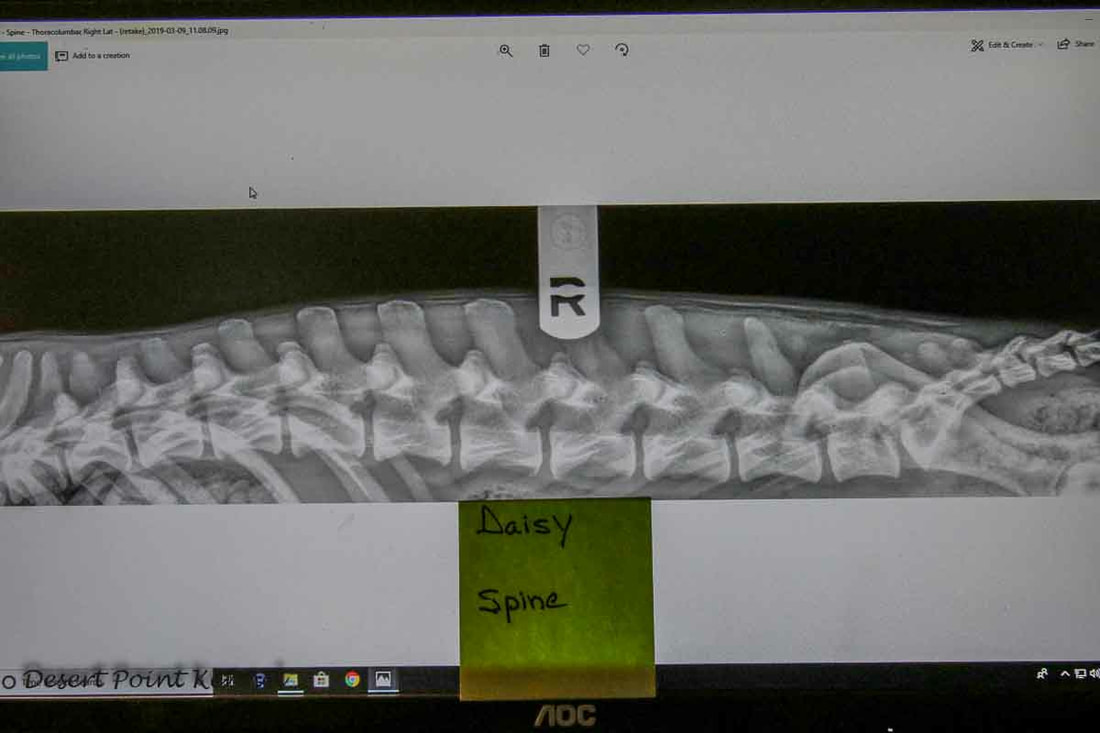
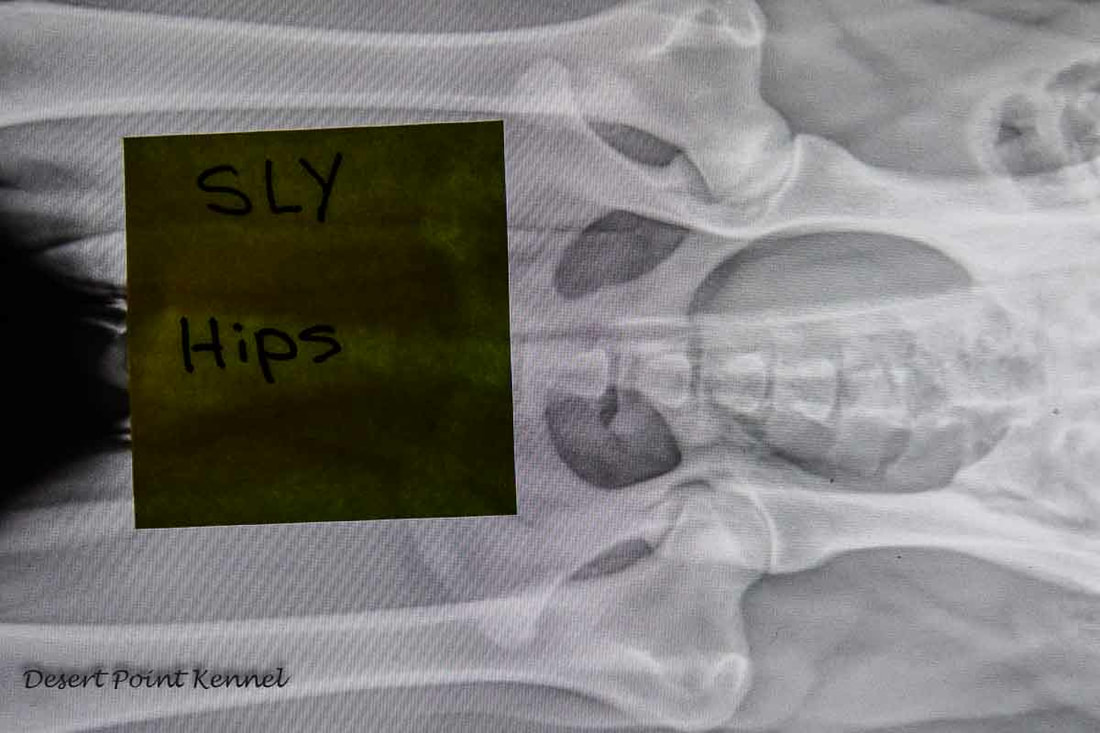
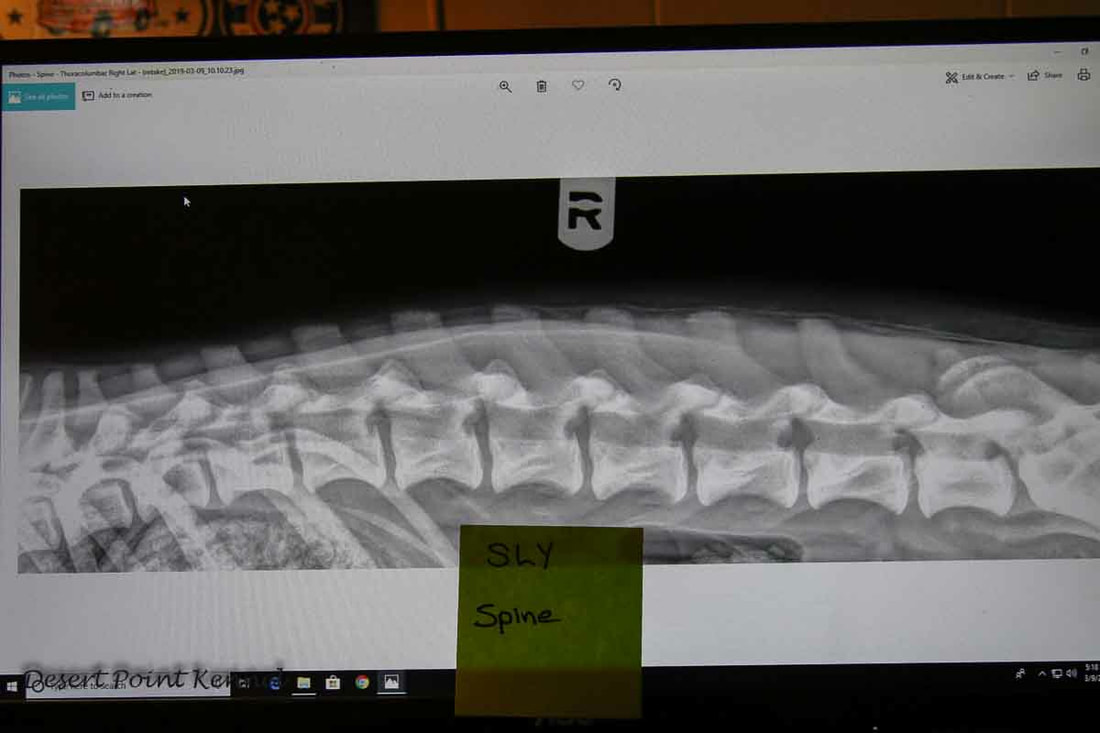
Here we see some X Rays of some young dogs and one older dog. I had some taken of Jack at 9 years old to show just how good the hips are on German Shorthairs. Here we can see the hips, elbows, and spine.















Canine Hip Dysplasia – Things To Ponder Canine Hip Dysplasia – Thoughts, Studies and Things to Ponder
With the incredible accumulation of data spanning over 50 years now, the consensus is Finally emerging that the causes of canine hip dysplasia are only mostly environmental and very little to do with genetics.
It has been found and is common knowledge, that one can mate two parents with OFA rated excellent hips and have offspring that are dysplastic; or mate two dysplastic parents and get pups with normal to excellent hips. How is this possible? Some scientists go as far as to say that hip dysplasia is predominantly a biomechanics process, with genes playing a very limited part.
All puppies are born with perfectly normal hips.
Hip dysplasia is not a congenital defect; it is not present at birth. Multiple studies have demonstrated that all normal puppies are born with “perfect” hips; that is, they are “normal” for a newborn, with no signs of dysplasia. The structures of the hip joint are cartilage at birth and only become bone as the puppy grows. If a puppy is going to develop hip dysplasia, the process begins shortly after birth ~ Carol Beuchat PhD
The hip joints of all dogs are normal at birth. The joints continue to develop normally as long as full congruity is maintained between the acetabulum and the femoral head… The acetabular rims are stimulated to grow by mild traction applied by the joint capsule and gluteal muscles attached along their dorsal borders, and from pressure by the femoral heads upon the articular surfaces… The morphologic characteristics of the complex hip structure show that biomechanical behavior is the prime influence in the growth of this joint.” (Riser 1985)
Proper Exercise For PuppiesThe most critical period for proper growth and development of the hips in dogs is from birth to 8 weeks of age. This makes the type of exercise, how long the exercise lasts and where it is performed; very important factors.
Exercise is good and bad!
Exercise strengthens the muscles of the legs and pelvis, which will increase the stability of the hip joint. But not all exercise is created equal.
Puppies raised on slippery surfaces or with access to stairs when they are less than 3 months old have a higher risk of hip dysplasia,while those who are allowed off-lead exercise on soft, uneven ground (such as in a large yard or park) have a lower risk (Krontveit et al 2012). Dogs born in the summer have a lower risk of hip dysplasia, presumably because they have more opportunity for exercise outdoors (Ktontveit et al 2012) in the sunshine, fresh air and on dirt!
On the other hand, dogs from 12-24 months old that regularly chase a ball or stick thrown by the owner have been found to have a higher risk of developing dysplastic hips (Sallander et al 2006).
Climbing Stairs Is NOT Hip
A study of 500 Newfoundland, Labrador, and Leonberger puppies found that puppies who climbed flights of stairs daily before they were 3 months of age had an increased risk of developing hip dysplasia. Although these breeds were selected for the study because of their relatively high incidence of hip dysplasia, the study seems to indicate that stairs represent a strain on any puppy’s joints, so consider ramps or carrying your puppy down any stairs if possible. http://www.ncbi.nlm.nih.gov/pubmed/22620698
For more information on appropriate exercise for puppies, you may be interested in reading this article: Puppy Fitness That Fits The Puppy HERE
Nutrition is ImportantWhile puppies are growing rapidly, it is critically important to get their nutrition correct. What better nutrition can there be than what is found in a species specific diet? Dogs being carnivores, will thrive on a raw meat, bone and organ diet.
Some Little-Known Facts For You to Think About:
(by Dr. Tom Hungerford)
“Hip Dysplasia was the first juvenile Bone Disease recognized in dogs, in 1935
By 1965, … Hip Dysplasia was identified in 55 breeds world-wide. And the skeletal problems didn’t stop there.
Think about this, how do you think it is that CHD (Canine hip Dysplasia) could suddenly appear in just 30 years and spread rapidly through all breeds?
Did Hip and Elbow Dysplasia exist before 1935? If so, was it common?
If it were not in existence, where did it come from, what happened?
What does all of this mean if we are assuming that these diseases are inherited and can, therefore be eliminated by genetic means? We’ve been trying to breed this out for 50 years and have not yet been really successful!
So if CHD truly is genetic in nature, then the genes which cause it, have had to have always been present in the dog population but were only “switched on” somehow in 30 short years. What happened after the 1930’s?”
Commercial Dog Food Was Now Available!
Up until the early 1940’s, people fed their pets on food scraps and raw meaty bones.
Since the early 40’s, disease in our pets has shifted drastically! The widespread, across the board switch to processed commercial foods has resulted in a catastrophic increase in not only skeletal diseases but liver disease, pancreatic disease and cancer!”
Do you know what is in processed, commercial dog food? If you are still feeding processed kibble or canned food, and especially if you are a breeder, I encourage you to take a long hard look at the ingredients in that bag and can and think about how it could be nutritious. No matter what the pet food industry or veterinary industry try to tell you. Think for yourself, do a little research.
If you are still feeding processed kibble or canned food, and especially if you are a breeder, I encourage you to take a long hard look at the ingredients in that bag and/or can and think about how it could possibly be nutritious. No matter what the pet food industry or veterinary industry try to tell you. Think for yourself, do a little research. There can be no true nutrition left after the processing process – no matter how you try to justify it, Kibble is Kibble is STILL Kibble!
Could it be that there is good profit to be made from veterinary visits and work based on the genetic assumption? There surely is not much profit in showing people how to raise pups to be free of dis-ease is there? It is definitely much easier to be lazy and concentrate on genes… or on using only pharmaceuticals or surgery to correct issues (much more expensive than nutrition and an explanation of age appropriate exercise!).
I am not here to tell you definitively one way or the other, anything at all, I am just providing food for thought and showing you more sides, more information to think about – to ponder. My desire is to provoke you to question and research things out for yourselves.
With the incredible accumulation of data spanning over 50 years now, the consensus is Finally emerging that the causes of canine hip dysplasia are only mostly environmental and very little to do with genetics.
It has been found and is common knowledge, that one can mate two parents with OFA rated excellent hips and have offspring that are dysplastic; or mate two dysplastic parents and get pups with normal to excellent hips. How is this possible? Some scientists go as far as to say that hip dysplasia is predominantly a biomechanics process, with genes playing a very limited part.
All puppies are born with perfectly normal hips.
Hip dysplasia is not a congenital defect; it is not present at birth. Multiple studies have demonstrated that all normal puppies are born with “perfect” hips; that is, they are “normal” for a newborn, with no signs of dysplasia. The structures of the hip joint are cartilage at birth and only become bone as the puppy grows. If a puppy is going to develop hip dysplasia, the process begins shortly after birth ~ Carol Beuchat PhD
The hip joints of all dogs are normal at birth. The joints continue to develop normally as long as full congruity is maintained between the acetabulum and the femoral head… The acetabular rims are stimulated to grow by mild traction applied by the joint capsule and gluteal muscles attached along their dorsal borders, and from pressure by the femoral heads upon the articular surfaces… The morphologic characteristics of the complex hip structure show that biomechanical behavior is the prime influence in the growth of this joint.” (Riser 1985)
Proper Exercise For PuppiesThe most critical period for proper growth and development of the hips in dogs is from birth to 8 weeks of age. This makes the type of exercise, how long the exercise lasts and where it is performed; very important factors.
Exercise is good and bad!
Exercise strengthens the muscles of the legs and pelvis, which will increase the stability of the hip joint. But not all exercise is created equal.
Puppies raised on slippery surfaces or with access to stairs when they are less than 3 months old have a higher risk of hip dysplasia,while those who are allowed off-lead exercise on soft, uneven ground (such as in a large yard or park) have a lower risk (Krontveit et al 2012). Dogs born in the summer have a lower risk of hip dysplasia, presumably because they have more opportunity for exercise outdoors (Ktontveit et al 2012) in the sunshine, fresh air and on dirt!
On the other hand, dogs from 12-24 months old that regularly chase a ball or stick thrown by the owner have been found to have a higher risk of developing dysplastic hips (Sallander et al 2006).
Climbing Stairs Is NOT Hip
A study of 500 Newfoundland, Labrador, and Leonberger puppies found that puppies who climbed flights of stairs daily before they were 3 months of age had an increased risk of developing hip dysplasia. Although these breeds were selected for the study because of their relatively high incidence of hip dysplasia, the study seems to indicate that stairs represent a strain on any puppy’s joints, so consider ramps or carrying your puppy down any stairs if possible. http://www.ncbi.nlm.nih.gov/pubmed/22620698
For more information on appropriate exercise for puppies, you may be interested in reading this article: Puppy Fitness That Fits The Puppy HERE
Nutrition is ImportantWhile puppies are growing rapidly, it is critically important to get their nutrition correct. What better nutrition can there be than what is found in a species specific diet? Dogs being carnivores, will thrive on a raw meat, bone and organ diet.
Some Little-Known Facts For You to Think About:
(by Dr. Tom Hungerford)
“Hip Dysplasia was the first juvenile Bone Disease recognized in dogs, in 1935
By 1965, … Hip Dysplasia was identified in 55 breeds world-wide. And the skeletal problems didn’t stop there.
Think about this, how do you think it is that CHD (Canine hip Dysplasia) could suddenly appear in just 30 years and spread rapidly through all breeds?
Did Hip and Elbow Dysplasia exist before 1935? If so, was it common?
If it were not in existence, where did it come from, what happened?
What does all of this mean if we are assuming that these diseases are inherited and can, therefore be eliminated by genetic means? We’ve been trying to breed this out for 50 years and have not yet been really successful!
So if CHD truly is genetic in nature, then the genes which cause it, have had to have always been present in the dog population but were only “switched on” somehow in 30 short years. What happened after the 1930’s?”
Commercial Dog Food Was Now Available!
Up until the early 1940’s, people fed their pets on food scraps and raw meaty bones.
Since the early 40’s, disease in our pets has shifted drastically! The widespread, across the board switch to processed commercial foods has resulted in a catastrophic increase in not only skeletal diseases but liver disease, pancreatic disease and cancer!”
Do you know what is in processed, commercial dog food? If you are still feeding processed kibble or canned food, and especially if you are a breeder, I encourage you to take a long hard look at the ingredients in that bag and can and think about how it could be nutritious. No matter what the pet food industry or veterinary industry try to tell you. Think for yourself, do a little research.
If you are still feeding processed kibble or canned food, and especially if you are a breeder, I encourage you to take a long hard look at the ingredients in that bag and/or can and think about how it could possibly be nutritious. No matter what the pet food industry or veterinary industry try to tell you. Think for yourself, do a little research. There can be no true nutrition left after the processing process – no matter how you try to justify it, Kibble is Kibble is STILL Kibble!
Could it be that there is good profit to be made from veterinary visits and work based on the genetic assumption? There surely is not much profit in showing people how to raise pups to be free of dis-ease is there? It is definitely much easier to be lazy and concentrate on genes… or on using only pharmaceuticals or surgery to correct issues (much more expensive than nutrition and an explanation of age appropriate exercise!).
I am not here to tell you definitively one way or the other, anything at all, I am just providing food for thought and showing you more sides, more information to think about – to ponder. My desire is to provoke you to question and research things out for yourselves.